
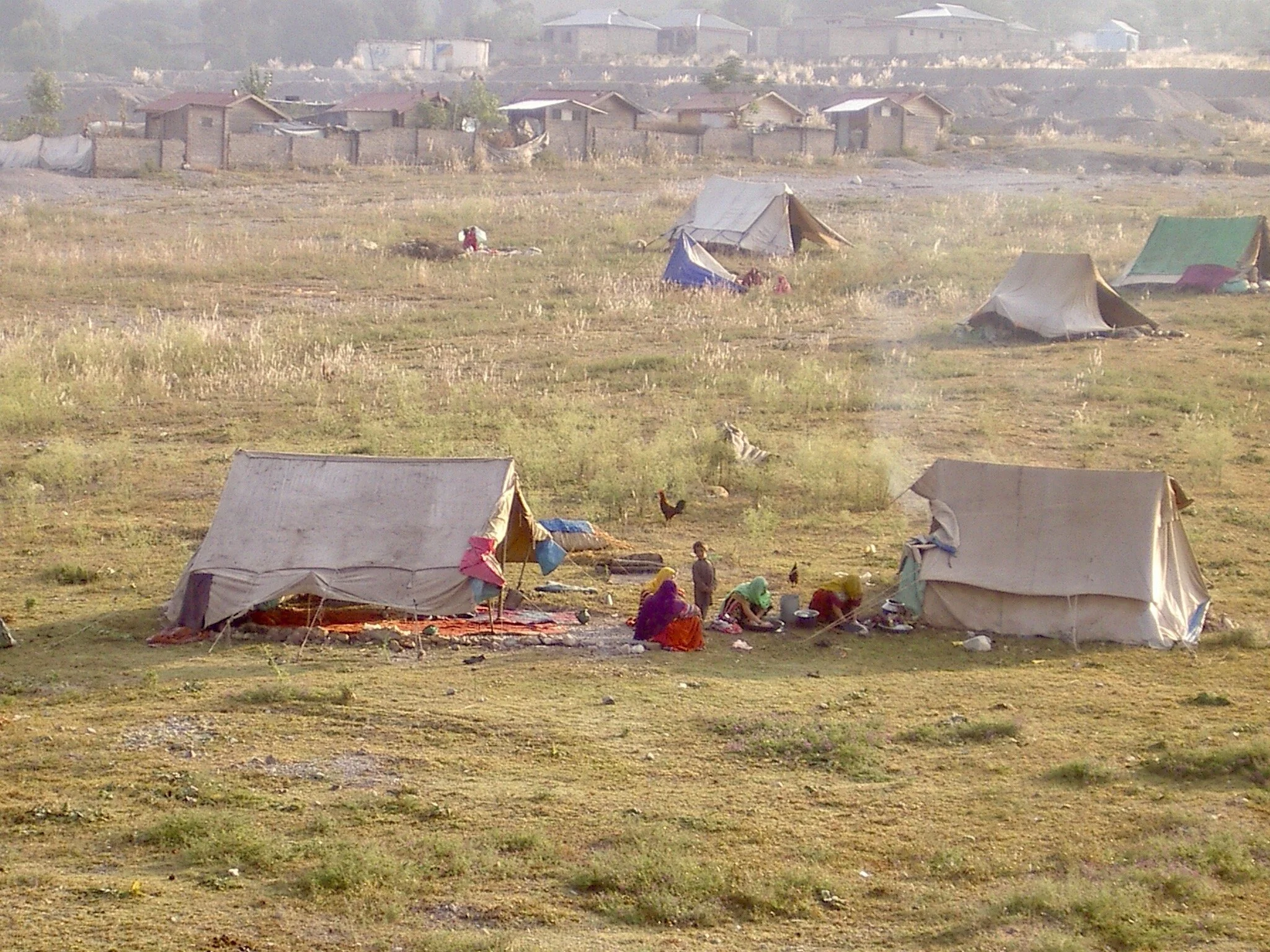
How Do 400 Million People Disappear?
Mobile peoples have not disappeared from history. But we can learn not to see them. From Abraham’s tents to pastoral Israel and beyond, what happens when settled assumptions shape what we notice—and what we miss?

The Scholar Who Learned to Hear Ancient Nomads Speak
For centuries, the history of nomadic peoples was largely written by settled outsiders. But across the deserts of ancient Arabia, nomads had been writing all along. The Safaitic inscriptions—and the scholars learning to read them—allow us to hear their voices again.
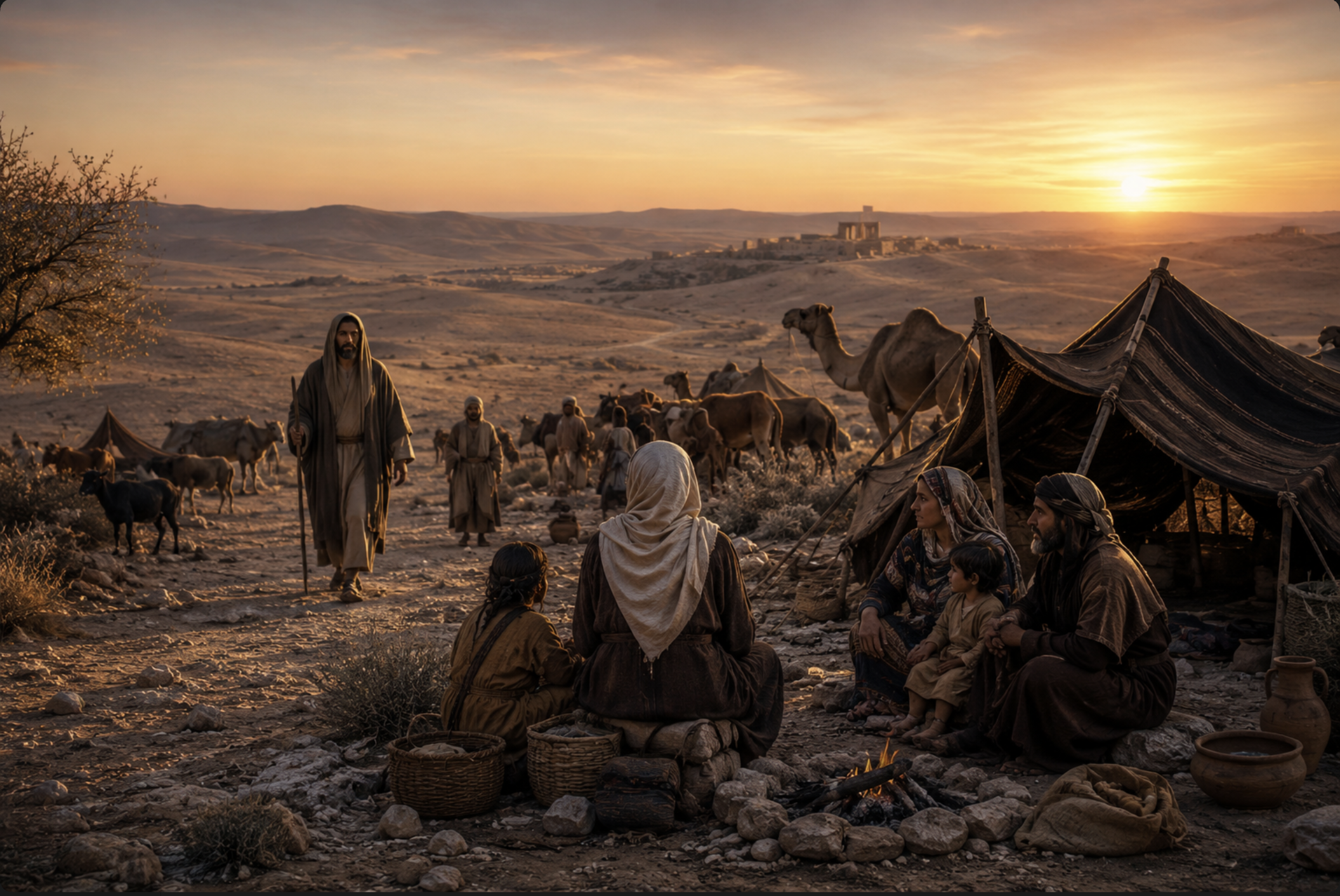
Did Nomads Follow Jesus Before They Built Churches?
What happened when the story of Jesus moved beyond the cities and into the desert? Fourth-century accounts of an Arab queen named Mavia, a Saracen desert monk named Moses, and families encountering Hilarion offer surprising glimpses of nomadic peoples following the Good Shepherd long before our histories learned how to see them.
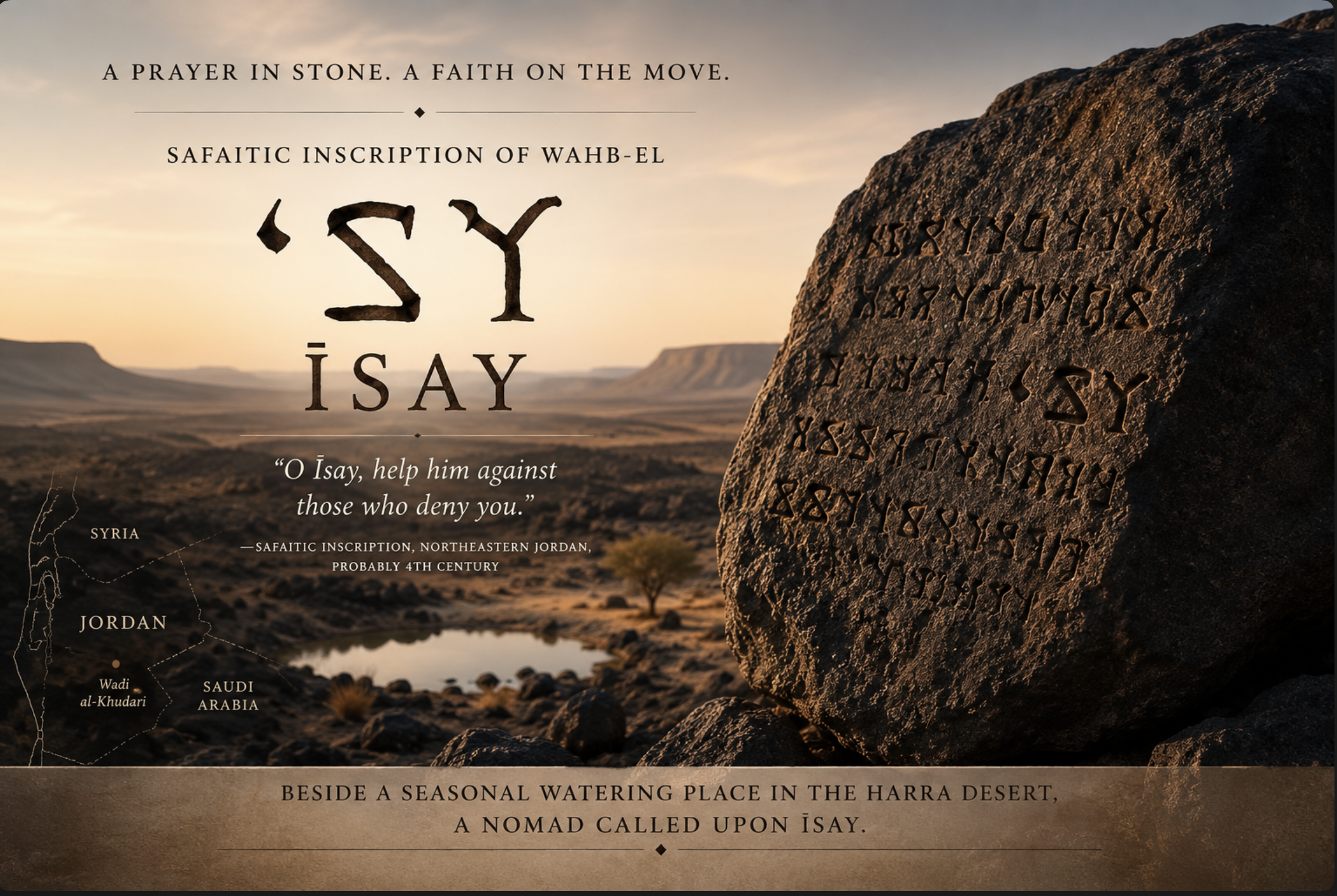
When Nomads Wrote the Name of Jesus in the Desert
A nomad named Wahb-El scratched his genealogy, grief, and a remarkable prayer into a rock in the Arabian desert: “O Īsay, help him against those who deny you.” Could this be one of the earliest glimpses of Jesus taking root in a nomadic world—not merely adopted, but expressed through its own language and culture?
“Fishers of Men” Wasn’t as Nice as It Sounds
“Fishers of men” sounds like a gentle call to evangelism. But Jesus’ first disciples knew prophets who spoke of hooks, nets, fishermen—and judgment. Hearing those echoes may change how we read one of Jesus’ most familiar invitations.
Why Must the World Come Through Europe to Meet Jesus?
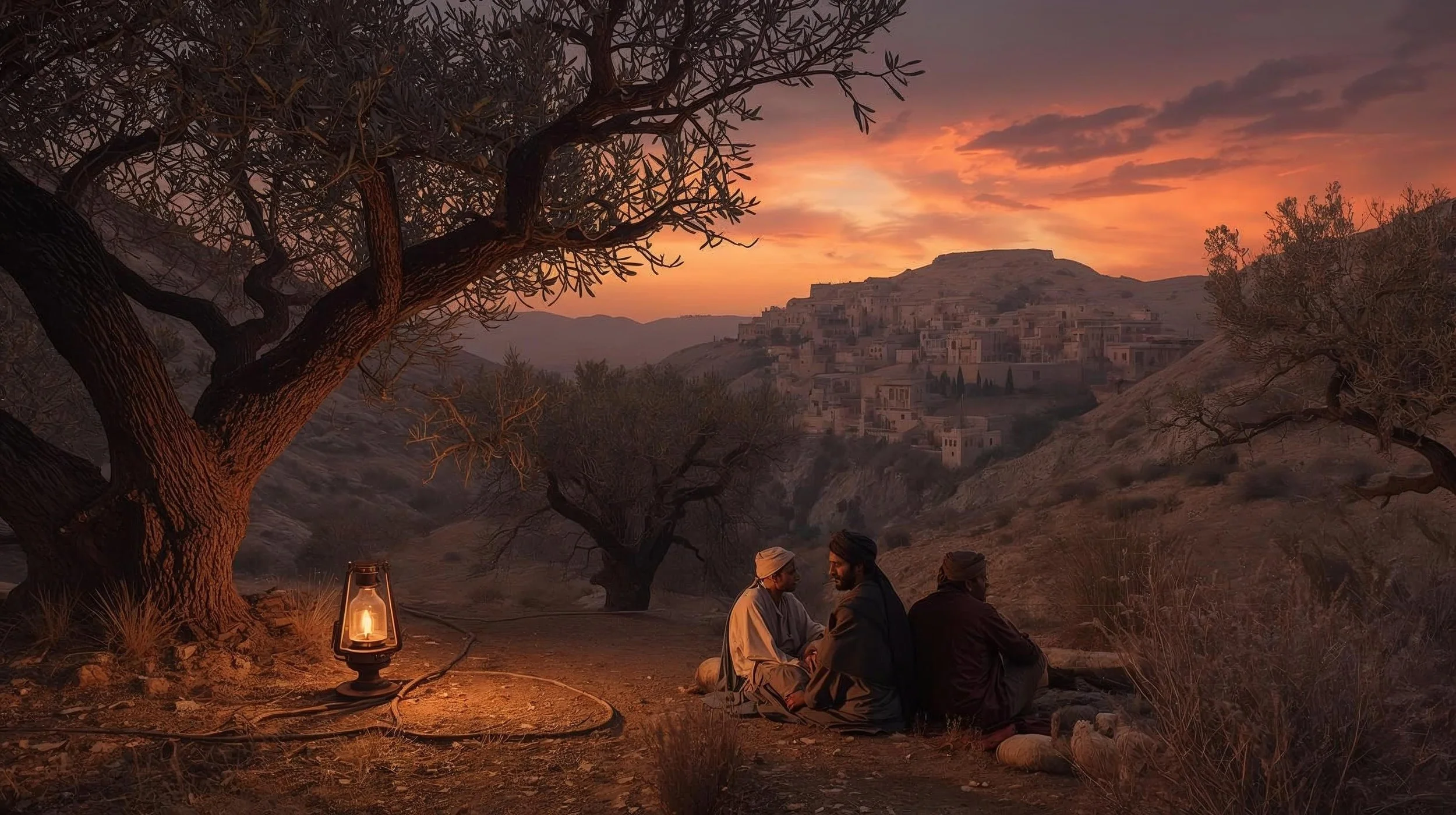
Warm “Christmas” greetings from around the world made me pause and ask an uncomfortable question: why must so many people pass through North-Western European culture to meet Jesus? Using Christmas as a case study, this post explores how cultural traditions can masquerade as “biblical”—and what might happen if every people were free to encounter and embody the story of Jesus within their own landscapes, languages, and clans.